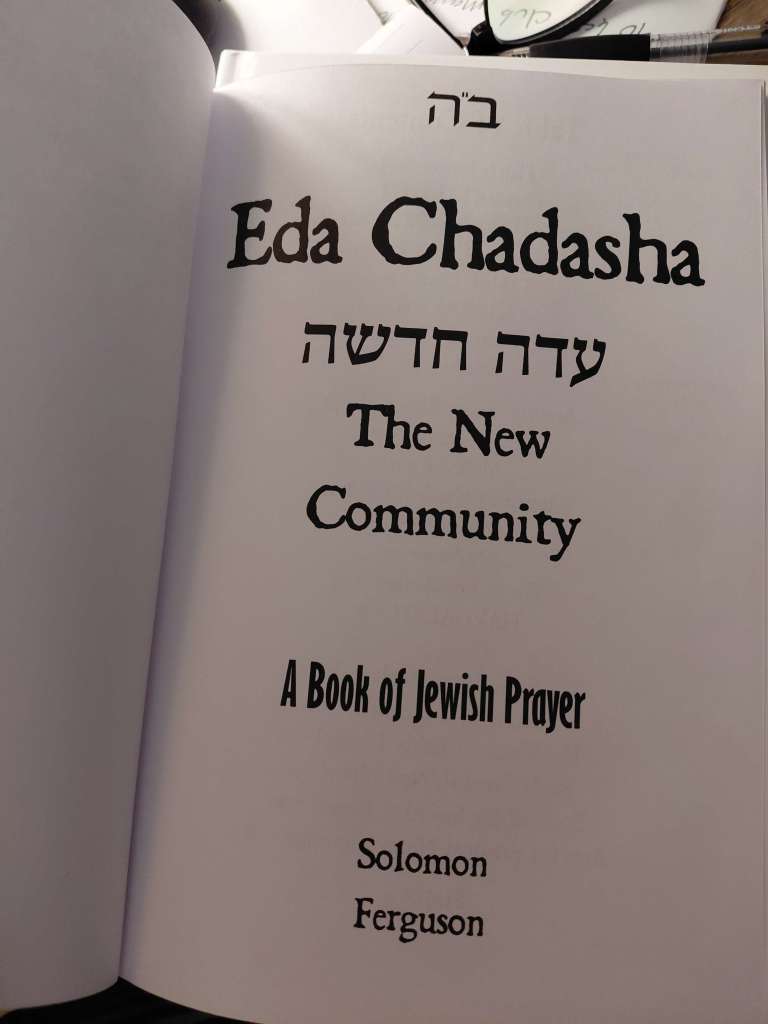
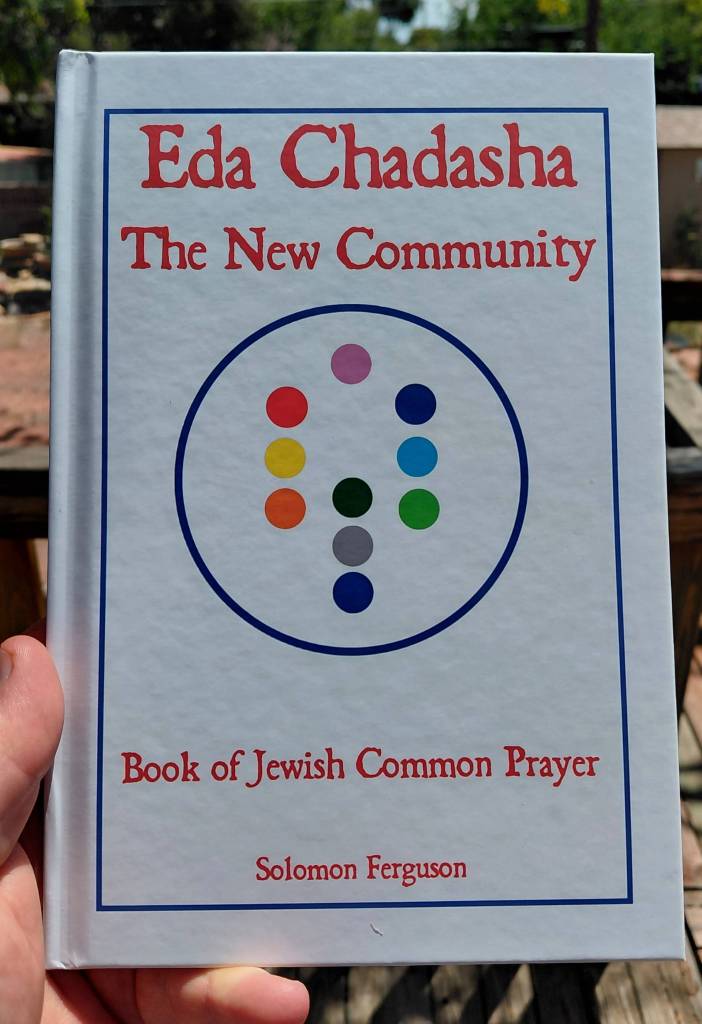
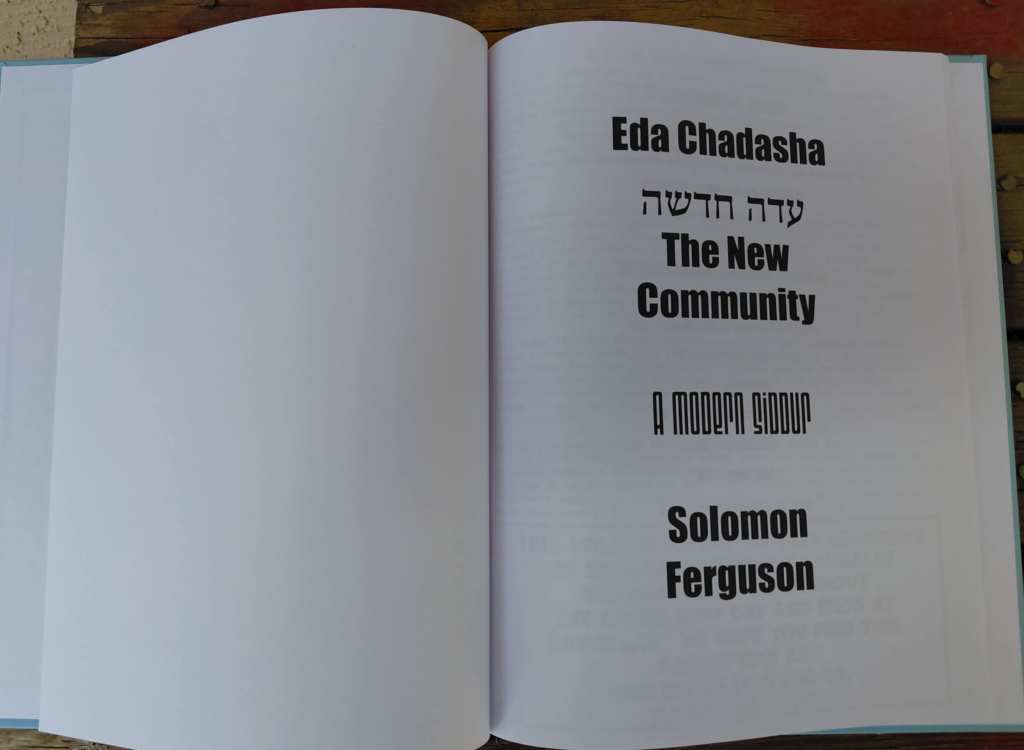
In Eda Chadasha, Solomon Ferguson delivers a bold and thoughtful contribution to the evolving landscape of Jewish liturgical life. More than just a prayer manual, this compact siddur is a heartfelt bridge between tradition and the realities of contemporary Jewish observance, particularly for those outside the bounds of institutional settings.
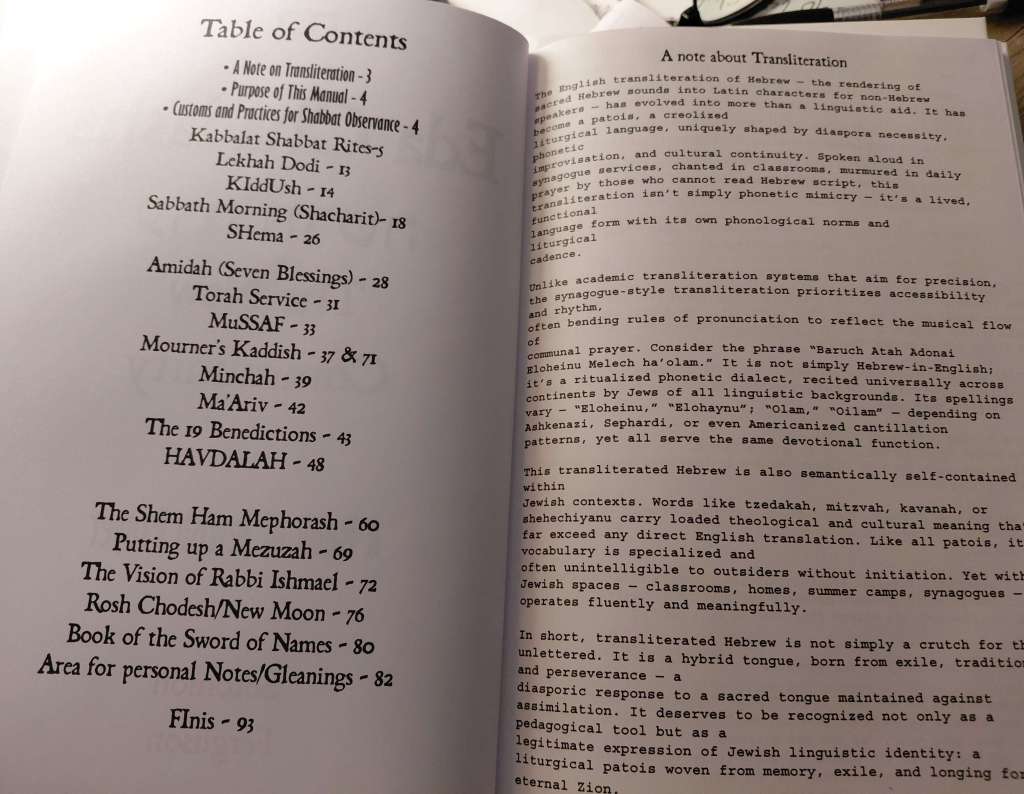
Ferguson’s work honors the structure of traditional Shabbat prayer — including full Kabbalat Shabbat, Shacharit, Mussaf, Minchah, Ma’ariv, and Havdalah services — while integrating accessible transliterations and resonant English translations. The tone is inclusive without diluting sacred gravity; readers are guided with clarity, spiritual warmth, and poetic commentary that never veers into sentimentality.
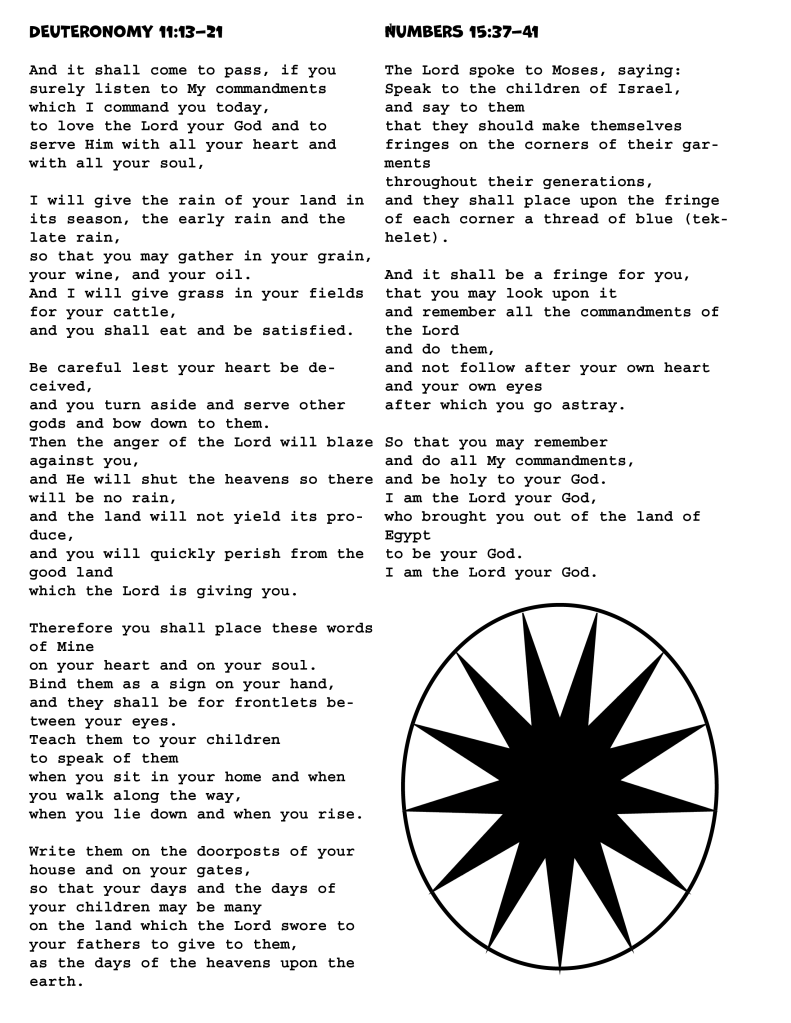
A standout element is the theological framing of transliteration as a “liturgical patois” — a lived dialect forged in diaspora, worthy of respect on its own terms. This alone sets Eda Chadasha apart from many modern siddurim. The inclusion of practices like candle lighting, the Shema, and the Amidah are deeply rooted, while sections like the “Book of the Sword of Names” and reflections on Shekhinah introduce a mystical current that feels both ancient and fresh.
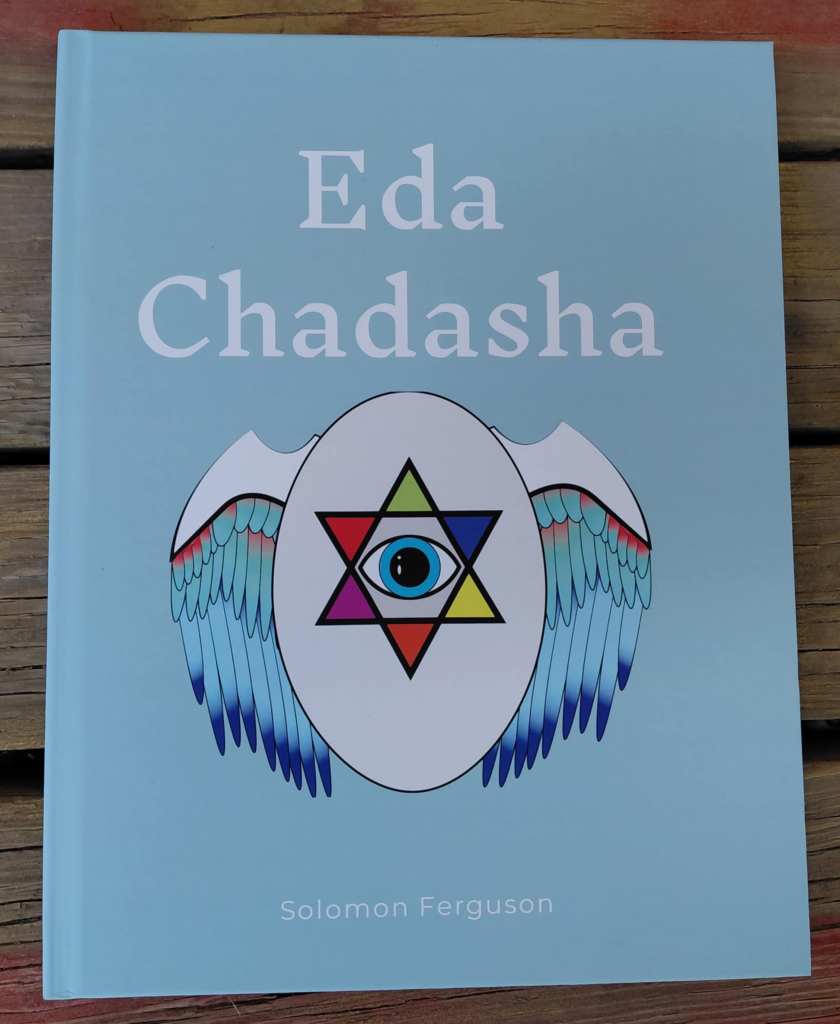
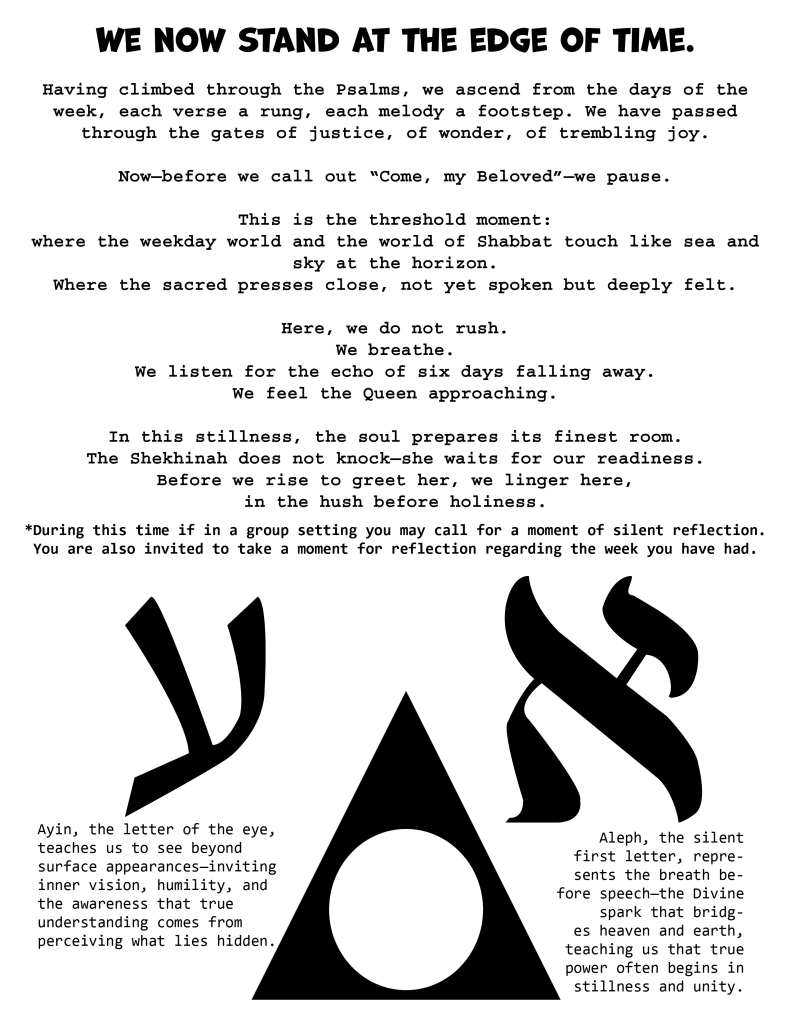
Visually and structurally, the siddur is clean and dignified. Its layout invites both solitary use and small-group worship. Ferguson’s background in both art and spiritual inquiry is evident throughout — this is a book designed not just to be read, but to be used.
In a time when many Jews are seeking connection beyond formal institutions, Eda Chadasha stands as a sacred companion: portable, powerful, and deeply personal. It is, in every sense, a new Chavurah in book form.





 A Gallery in the Cybersphere.