

Kabbalah, derived from the Hebrew root kabel meaning “to receive,” refers to the esoteric tradition within Judaism that explores the inner dimensions of divinity, the cosmos, the soul, and spiritual reality. Far from being a fringe element, Kabbalah has long served as the beating heart of Jewish mystical thought. Rooted in classical texts like the Zohar and later expanded by thinkers such as Isaac Luria and Moses de León, Kabbalah provides a symbolic framework for understanding God’s interaction with the world through the Sefirot—ten emanations that bridge the infinite and the finite. For Jewish mystics, Kabbalah is not merely theological theory but a path of transformation, prayer, and sacred perception. It reveals the concealed structures beneath Torah, time, and even human consciousness—unlocking the divine code woven into all creation.
The Merkavah: Chariot of the Divine
Among the most ancient and profound mysteries of Jewish mysticism is the Merkavah (“chariot”), derived from the prophetic visions of Ezekiel. The Merkavah is not merely a physical or symbolic vehicle but a multilayered spiritual architecture through which mystics seek direct communion with the Divine. Described as a fiery, living structure composed of angelic beings, wheels within wheels, and the radiant likeness of the Glory of God (Kavod), the Merkavah tradition gave rise to intense meditative practices among early Jewish mystics. These practitioners, known as Yordei Merkavah (“descenders of the chariot”), engaged in ecstatic ascent rituals—guided by secrecy, purity, and the chanting of sacred names—to pass through heavenly palaces and behold divine truth. For Kabbalists, the Merkavah remains a cornerstone: a map of spiritual ascent and a metaphor for the soul’s journey toward unification with the Infinite Light (Ein Sof), echoing the deepest yearnings of Jewish mystical tradition
The Ten Sefirot: Channels of Divine Emanation
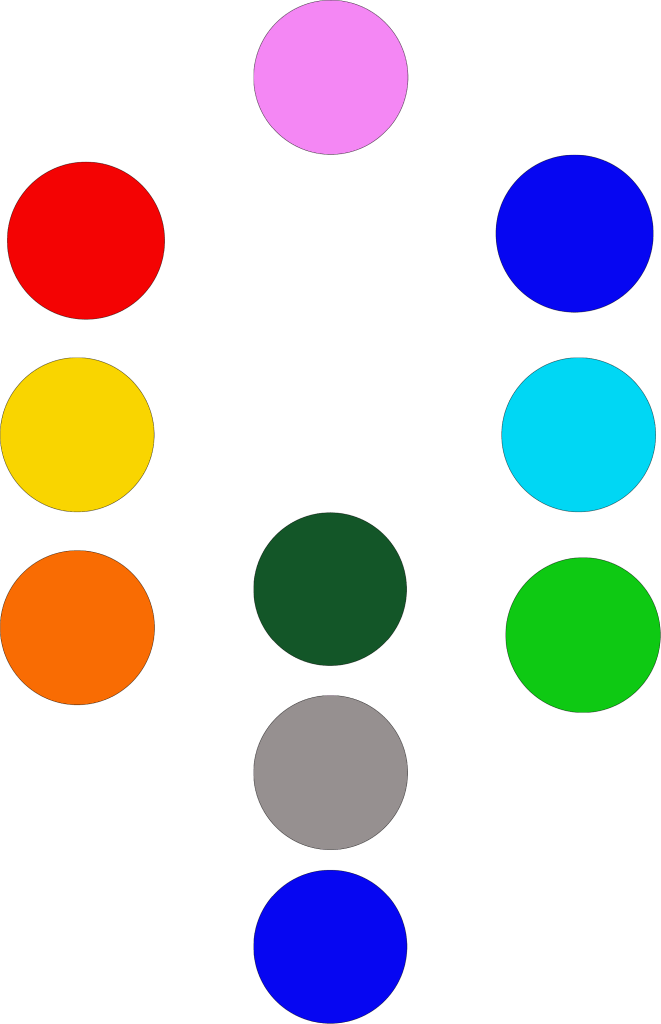
In Kabbalistic tradition, the Sefirot are ten emanations through which the Infinite (Ein Sof) interacts with the created world. These are not “parts” of God, but symbolic vessels or attributes through which divine energy flows. Each Sefirah has a distinct essence and is often associated with a symbolic color, reflecting its spiritual resonance:
- Keter (Crown) – כֶּתֶר
Essence: Divine Will, Superconscious Mind
Note: Beyond grasp, the source of all emanation. - Chokhmah (Wisdom) – חָכְמָה
Essence: Flash of insight, raw creative force
Note: The father principle—pure potential of thought. - Binah (Understanding) – בִּינָה
Essence: Structure, analysis, contemplation
Note: The mother principle—womb of form and discernment. - Chesed (Lovingkindness) – חֶסֶד
Essence: Overflowing mercy, expansion, generosity
Note: Boundless compassion, unconditional giving. - Gevurah (Severity / Judgment) – גְּבוּרָה
Essence: Restraint, strength, discipline
Note: Justice and limitation—holds Chesed in balance. - Tiferet (Beauty) – תִּפְאֶרֶת
Essence: Harmony, compassion, balance
Note: Mediates Chesed and Gevurah; the heart of the Tree. - Netzach (Victory / Endurance) – נֵצַח
Essence: Eternity, drive, perseverance
Note: Forward motion, conquest of time and obstacle. - Hod (Glory / Splendor) – הוֹד
Essence: Reverberation, humility, sincerity
Note: Submission to higher truth, ritual, and awe. - Yesod (Foundation) – יְסוֹד
Essence: Channel, communication, connection
Note: The bridge between above and below—transmits divine flow to reality. - Malkhut (Kingship) – מַלְכוּת
Essence: Receptivity, manifestation, the Shekhinah
Note: The vessel that receives and reveals all above it.

Demons Specifically Mentioned or Described in the Zohar
These are the forces of Human instinct, and one should guard against their presence running rampant throughout your mind.
| Demon/Force | Hebrew Name | Description |
|---|---|---|
| Samael | סמאל | Chief of the Sitra Achra (“Other Side”), arch-accuser, linked with death and destruction. |
| Lilith | לילית | Queen of demons, seductress, consort to Samael in the “Other Side.” |
| Agrat bat Mahlat | אגרת בת מחלת | Lesser queen of demons, rules nocturnal spirits alongside Lilith. |
| Naamah | נעמה | Sister/demonic companion of Lilith, tempter of men and destroyer of infants. |
| Ashmedai (Asmodeus) | אשמדאי | Demon king of wrath and lust, often used by Samael. Not always directly named in the Zohar but connected through later interpretations. |
| Aza and Azael | עזא ועזאל | Two fallen angels who lusted after human women, corrupted and became demonic. |
| Resheph | רשף | Spirit of plague and destruction; mentioned indirectly among forces of “flaming wrath.” |
| Gamaliel | גמליאל | Chief of a demonic realm (“shells” or klipot), leading corrupted forces against holiness. |
| Rahab | רהב | Ancient sea-demon, representing arrogance and primordial chaos, crushed by God but still stirring in hidden realms. |
| Shedim | שדים | General class of demons — not pure evil but dangerous; invisible, present in ruins, deserts. |
| Se’irim | שעירים | Goat demons inhabiting desolate places — seen as servants of Lilith and other nocturnal forces. |
| Ruach Tum’ah | רוח טומאה | “Spirit of impurity”; not a single demon, but a type of unclean spiritual force attached to sin and death. |
| Ketev Meriri | קטב מרירי | Blasting demon mentioned through Psalms commentary; seen as active during times of pestilence. |
 A Gallery in the Cybersphere.